
Victorian Home Renovations in Edinburgh: Design, Costs, and Challenges Explained
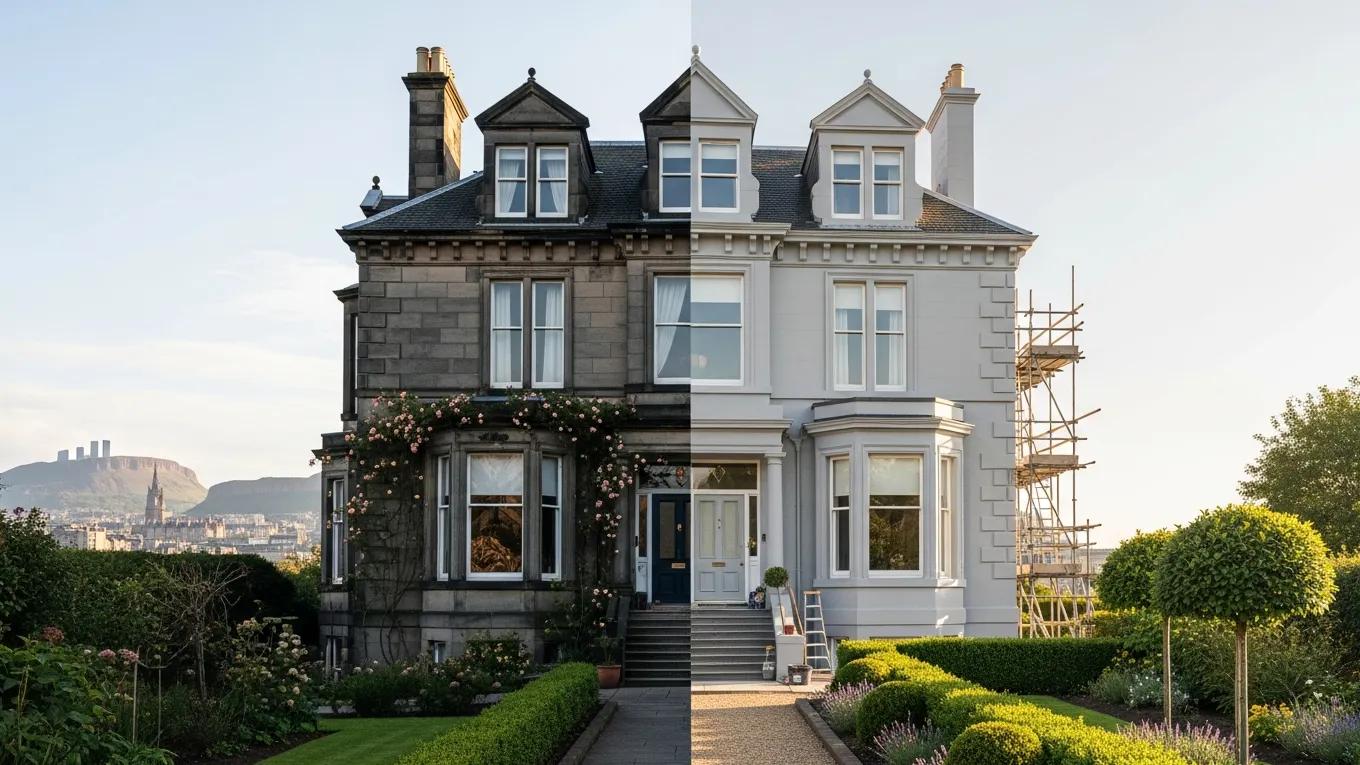
Victorian homes are celebrated for their unique architectural beauty and rich heritage, particularly in cities like Edinburgh. This article explores the critical aspects of renovating a Victorian home, focusing on design elements, costs involved, and the challenges homeowners may face during the renovation process. Readers will gain insights into traditional architectural features, necessary planning permissions, and the financial considerations essential for a successful renovation. Homeowners often struggle with preserving the historical integrity of their properties while modernising them. This guide seeks to address these pain points by providing valuable information on the renovation process, including the significance of key architectural details, necessary permits, and typical renovation costs in Edinburgh. For a broader overview of project options, see our hub on home renovations in Edinburgh and our guide to home renovation ideas for Edinburgh homes.
What Are the Key Traditional Victorian Architectural Features in Edinburgh Homes?
Victorian architecture is characterised by its distinctive features, which define the aesthetic appeal of homes built during this era. Understanding these features is crucial for homeowners planning renovations, as it ensures that restoration efforts preserve the home’s historical significance. Key elements include intricate decorative cornices, tall skirting boards, bold colour palettes, large sash-and-case windows and ornate fireplaces. Recognising these aspects can guide homeowners in maintaining the authentic charm of their Victorian properties.
How Do Sash Windows and Fireplaces Define Victorian Home Style?
Sash windows are a hallmark of Victorian homes, often showcasing elegant designs with multiple panes that enhance both functionality and beauty. These windows allow natural light to flood the interior while providing excellent ventilation. Fireplaces, typically elaborately designed, serve as focal points in living spaces, creating warmth and a cosy atmosphere. Their meticulous craftsmanship enhances the overall design, making them essential elements to consider during renovation projects. When upgrading for energy efficiency, options such as draught-proofing and secondary glazing can often be more acceptable than full window replacement in listed buildings.
Which Victorian Design Elements Influence Renovation Planning?
When planning renovations, it is vital to retain specific design elements intrinsic to Victorian architecture. These include maintaining period-specific fixtures, such as decorative mouldings, original doors, stained glass, and traditional floor layouts where feasible. Homeowners should focus on authentic materials to preserve the home’s character, as authenticity plays a crucial role in successful Victorian restoration. Designing with these elements in mind ensures that the renovation reflects the essence of the Victorian era while still allowing for modern comforts. For design inspiration that balances old and new, our Edinburgh renovation ideas article includes kitchen and bathroom concepts that work well in period properties.
What Planning Permissions and Listed Building Consents Are Needed in Edinburgh?
Renovating a Victorian home often involves navigating complex regulations related to planning permissions and listed building consents in Edinburgh. Homeowners must be aware of these requirements to avoid potential legal issues during renovations. Edinburgh Council regulates renovations of listed buildings and properties in conservation areas to ensure that changes respect the structure’s historical and architectural significance. Our specialist guide on planning permission for home renovations in Edinburgh explains how planning permission and building warrants interact.
How Does Edinburgh Council Regulate Listed Building Renovations?
The City of Edinburgh Council has established guidelines to govern the renovation of listed buildings. Homeowners must submit applications for planning permission and, where required, listed building consent that detail proposed changes, including alterations to the exterior, structural modifications, and the introduction of new materials. The council evaluates each application based on its adherence to conservation standards and may require additional documentation if the changes could impact the building’s historical value. The council’s planning applications pages and “Guidance for Householders” document are essential references before work begins.
What Are Common Challenges in Obtaining Victorian Home Consent?
One of the main challenges homeowners encounter when applying for consents is the lengthy approval process. Applications can face delays due to insufficient documentation, design concerns, or failure to meet conservation criteria. Homeowners often find it beneficial to consult with professionals who specialise in heritage regulations to navigate these challenges effectively. Proactively addressing potential issues—such as visual impact on the street, materials choice, and energy-efficiency measures—can facilitate a smoother approval process and reduce the risk of refusal.
How Much Does It Cost to Renovate a Victorian House in Edinburgh?
Understanding the financial aspects of renovating a Victorian home is essential for prospective renovators. Renovation costs can vary significantly based on the scope and complexity of the project. From minor aesthetic updates to extensive structural changes and energy retrofits, being informed about potential costs helps in financial planning. For typical ranges across kitchens, bathrooms and extensions, see our detailed guide to home renovation costs in Edinburgh.
What Are Typical Cost Breakdown Categories for Period Property Restoration?
Renovating a Victorian home involves several cost categories that homeowners should consider. Key cost components include:
- Structural Repairs: Addressing foundational issues, roof repairs or chimney stabilisation can be substantial expenses that vary by the extent of damage.
- Interior Renovations: Materials and labour for updating interiors often account for a significant portion of the overall budget, including flooring, plasterwork, joinery, and installations.
- Exterior Work: Restoring or replacing elements like windows, doors, stonework and facades contributes to maintaining the property’s historical authenticity.
- Professional Fees: Architect, structural engineer, and surveyor fees, plus any planning and building warrant application costs.
A detailed understanding of these cost categories helps homeowners develop a realistic budget for their renovation efforts and assess potential return on investment.
Are There Funding or Grant Opportunities for Edinburgh Victorian Renovations?
Homeowners considering renovations may seek various funding options or grants to alleviate financial pressures. While heritage grants are limited, some schemes may be available periodically for conservation-focused work or energy-efficiency improvements. In addition, Home Energy Scotland grants and loans can support insulation, heating and renewable installations, which are especially relevant when upgrading older properties. It is important to review eligibility criteria carefully and factor application time into your project programme.
What Structural Challenges Commonly Affect Victorian Home Renovations in Edinburgh?
Structural issues are prevalent in many Victorian homes, often necessitating expert intervention during renovations. Identifying and addressing these issues promptly is crucial, as they can impact the safety and longevity of the home.
Which Structural Issues Need Addressing in Period Properties?
Some common structural challenges include:
- Dampness: Often arises from outdated building materials, failed slate roofs, blocked gutters, and inadequate drainage systems, requiring effective remediation strategies.
- Settling and Cracking: Over time, buildings may shift, leading to foundation cracks or deflection in floors that compromise stability. Engaging structural engineers is advisable to assess and rectify these issues.
- Roofs: Many Victorian homes have slate roofs and complex valley details that may require specialised repairs or replacements to restore integrity.
Recognising these potential problems early—ideally through a full survey—can save significant costs and prevent more severe issues down the line.
What Solutions Are Recommended for Preserving Heritage Integrity?
To maintain a property’s historical integrity during renovations, homeowners should consider the following best practices:
- Use Authentic or Compatible Materials: Where possible, sourcing materials that match the original construction (or closely compatible equivalents) is crucial for preserving aesthetic continuity.
- Hire Heritage-Savvy Contractors: Employing contractors familiar with Victorian restoration can greatly enhance the quality and authenticity of restoration efforts.
- Document Changes: Keeping records of modifications can assist in maintaining historical accuracy and provide references for future renovations, helping both you and future owners.
These measures ensure that restoration efforts respect the home’s history while accommodating contemporary needs. Our article on common home renovation mistakes in Edinburgh also highlights pitfalls to avoid when working on period properties.
How Can Sustainable and Energy-Efficient Upgrades Be Integrated into Victorian Renovations?
As homeowners look to modernise their Victorian properties, integrating sustainable and energy-efficient solutions can enhance both comfort and environmental responsibility. Such upgrades can provide significant cost savings in energy bills while preserving the home’s historical integrity.
Which Eco-Friendly Renovation Techniques Comply with Heritage Guidelines?
When considering eco-friendly renovation strategies, it’s essential to select techniques that align with conservation guidelines. Approved or commonly accepted methods may include:
- Insulation Upgrades: Employing breathable, sustainable insulation materials in lofts and, where appropriate, walls and floors helps reduce energy consumption while being minimally invasive to the structure.
- Energy-Efficient Windows: Upgrading to slimline double glazing in appropriate contexts, or installing secondary glazing systems in listed buildings, can optimise thermal performance without compromising historical appearance.
- Efficient Heating Systems: Installing modern condensing boilers or, where feasible, low-carbon heating systems can dramatically improve performance.
By adhering to heritage guidelines, these upgrades can be successfully incorporated without sacrificing aesthetic value. For broader context on the challenges, recent research on retrofitting historic homes in Edinburgh highlights the balance between conservation and energy targets.
What Are the Benefits of Sustainable Renovations for Victorian Homes?
Integrating sustainability into Victorian renovations presents various benefits:
- Cost Savings: Energy-efficient systems and improved insulation can lead to substantial utility savings over time.
- Enhanced Comfort: Proper insulation, air tightness, and modern heating solutions improve living conditions, making homes more comfortable year-round.
- Environmental Impact: Sustainable renovations contribute positively to the environment by reducing carbon footprints and supporting the city’s net-zero ambitions.
These advantages highlight the importance of considering eco-friendly solutions, which can be both beneficial to homeowners and respectful of the property’s historic character.
What Successful Case Studies Illustrate Victorian Home Renovations in Edinburgh?
Examining successful case studies can offer valuable insights into the best practices for Victorian home renovations. Real-life examples demonstrate effective strategies for managing renovations while addressing heritage considerations and modern living needs.
Which Recent Restorations Showcase Best Practices and Outcomes?
Several recent projects in Edinburgh exemplify exceptional renovation practices. For instance, the restoration of a Victorian terraced house might feature:
- Restoration of period features—such as cornices and fireplaces—that enhances the home’s historical appeal while modernising the internal layout for functionality.
- Sustainable upgrades including improved insulation, efficient heating systems and discreet secondary glazing to lower energy consumption.
- Detailed documentation that tracks the renovation process, preserving integrity through transparency and supporting future maintenance.
These successful projects provide a roadmap for future renovations and demonstrate what is achievable when heritage and performance are both prioritised.
How Do These Case Studies Address Heritage Compliance and Modern Needs?
Successful renovations typically balance historical preservation with contemporary living requirements. By integrating modern amenities, such as updated kitchens and bathrooms, while retaining original architectural features, homeowners can enjoy a beautifully functional living space. Consulting with heritage experts ensures that renovations conform to local guidelines while satisfying modern expectations. If you are weighing up whether to take on this kind of project or move to a newer home, our guide on renovating or moving home in Edinburgh explores the pros and cons.
In Edinburgh, the challenge of retrofitting historic windows in listed buildings for energy efficiency is a significant financial burden for homeowners, impacting their ability to meet climate goals.
Leave a Comment