
Home Renovation Ideas for Edinburgh Homes: Expert Tips for Kitchen, Bathroom, Loft, Extensions, and Sustainable Improvements
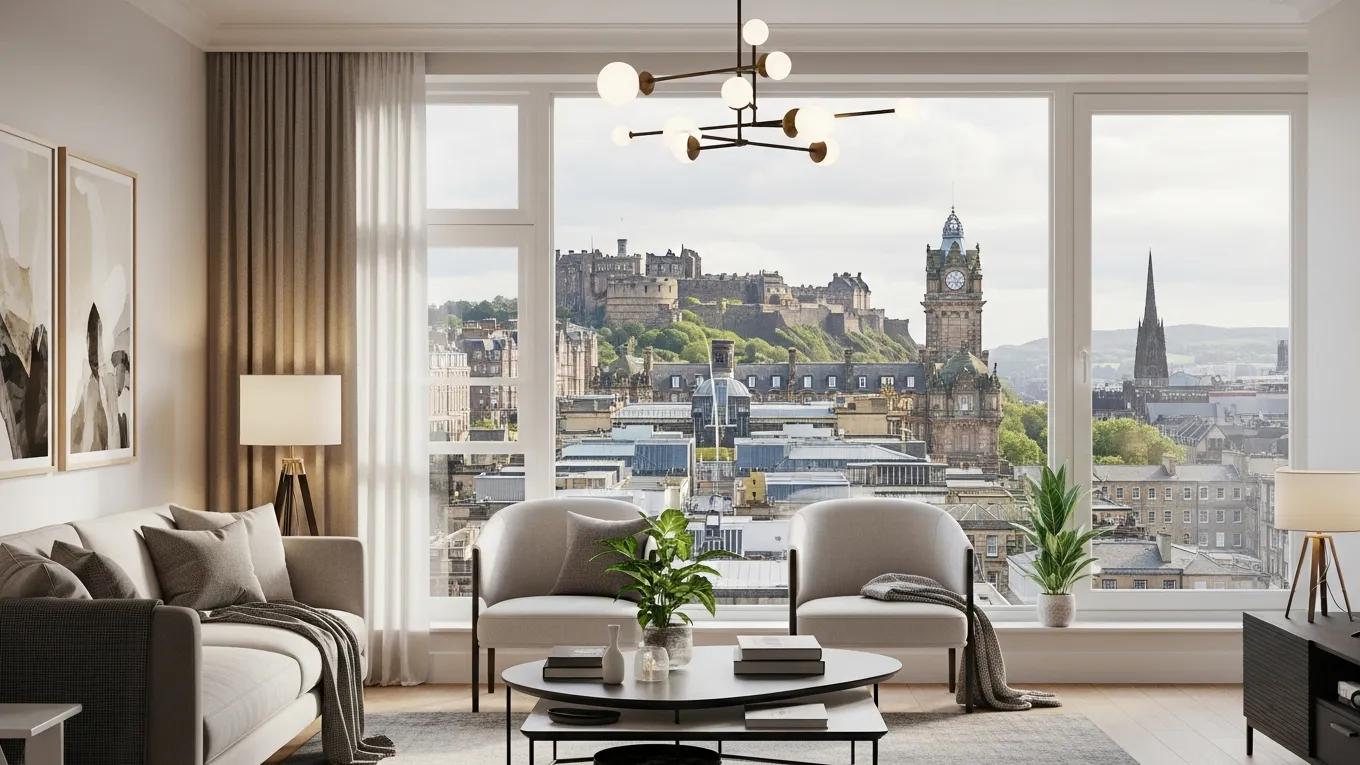
Home renovation offers exciting opportunities for enhancing the aesthetics and functionality of your living space, especially in the context of Edinburgh’s rich architectural heritage. Homeowners in Edinburgh can explore various renovation ideas tailored to traditional and modern styles alike. This article covers popular home renovation areas, with a strong focus on kitchens, bathrooms, loft conversions, home extensions, and sustainable improvements that align with current eco-friendly trends. For an overview of typical budgets, see our guide to home renovation costs in Edinburgh, and for process and permissions, visit our hub on home renovations in Edinburgh, which explains key planning and regulatory steps.
From upgrading kitchens with thoughtful design elements to navigating the complexities of bathroom renovations, this guide is designed to help homeowners make informed decisions that enhance their properties while respecting Edinburgh’s unique character. We will cover key details on how to adapt traditional designs to modern needs and highlight sustainable practices that not only benefit the environment but also add value to homes. Each section includes practical tips, expert insights, and essential information to streamline your renovation journey.
What Are Popular Kitchen Remodeling Ideas for Edinburgh Homes?
When considering kitchen remodelling ideas, it’s essential to reflect on the local architectural styles and the unique needs of Edinburgh homes. An effective kitchen renovation can significantly increase functionality and aesthetic appeal. Key trends include incorporating traditional elements while ensuring modern conveniences are present. This balance requires careful selection of materials and layouts that complement the characteristic Victorian and Georgian tenements commonly found throughout the city.
How Do Edinburgh’s Architectural Styles Influence Kitchen Design?
Edinburgh’s distinctive architectural landscape greatly influences kitchen design choices. Victorian and Georgian styles typically feature high ceilings and large windows, which allow for ample lighting and ventilation. Homeowners can leverage these characteristics by incorporating open layouts that maintain the historical charm while introducing modern amenities. Consider using local materials such as Scottish stone and timber that reflect the city’s heritage, creating a cohesive blend of old and new. For more on working sensitively with period features, our Victorian home renovations in Edinburgh guide explains how to preserve cornices, fireplaces and sash windows while updating layouts.
Which Kitchen Materials and Layouts Suit Traditional Edinburgh Tenements?
For traditional Edinburgh tenements, choosing the right materials and layouts is crucial to preserve character while optimising space. Stone countertops and hardwood cabinets resonate well with the historical context of these homes. Open-plan layouts that encourage socialising can also enhance functionality, drawing family and friends together. Homeowners should aim for a design that seamlessly integrates with the rest of the house, ensuring continuity in style and function. Design advice from sources such as Ideal Home’s kitchen ideas can offer extra inspiration on layouts and finishes that work in compact or narrow spaces.
How Can You Upgrade Bathrooms Efficiently in Edinburgh Properties?
Bathroom upgrades are one of the most impactful renovations that can add both comfort and market value to a home. In Edinburgh’s historical properties, thoughtful upgrades can preserve the charm while providing modern conveniences. Key considerations include maximising space and incorporating efficiency-friendly fixtures, especially in older tenement footprints.
What Are Cost-Effective Bathroom Renovation Ideas for Victorian and Georgian Houses?
Homeowners can explore several cost-effective options for upgrading bathrooms in Victorian and Georgian houses. Here are some ideas:
- Refinish Existing Fixtures: Instead of replacing all fixtures, consider refinishing bathtubs or re-glazing tiles to save costs.
- Low-Flow Toilets and Showers: Installing low-flow fixtures can reduce water usage, ultimately decreasing utility bills and supporting sustainability goals.
- Recessed Lighting: This can brighten the space without invasive renovations, enhancing both aesthetics and functionality.
These strategies not only preserve the original character of the home but also bring it up to date with current usability standards. For indicative budgets on bathroom projects, see our breakdown of typical renovation costs in Edinburgh.
How to Navigate Building Permissions for Bathroom Changes in Edinburgh Conservation Areas?
Renovating bathrooms in conservation areas requires an understanding of planning permissions and building regulations. The first step is to check with the City of Edinburgh Council for specific guidelines that apply to listed buildings or properties in conservation areas. Typically, homeowners will need to submit plans detailing the changes and possibly justify how they preserve the property’s character. It is crucial to allow adequate time for approvals, which can vary significantly, so checking specific timelines with local authorities is advisable. Government guidance on planning permission in Scotland and the council’s own planning applications pages provide useful starting points.
What Should You Know About Loft Conversions and Home Extensions in Edinburgh?
Loft conversions offer an excellent way to maximise space in homes lacking room for expansion. Conversions can create additional bedrooms or living areas while enhancing the overall value of the property. Successful extensions require careful planning to integrate seamlessly with the existing structure, adhering to permitted development guidelines and conservation policies where relevant.
Which Loft Conversion Styles Complement Edinburgh’s Historic Homes?
When considering a loft conversion, styles that reflect the home’s original architecture are essential. Popular choices in Edinburgh include dormer and mansard conversions, which enhance the rooftop space while maintaining aesthetic integrity. The design should consider insulation and window placements to maximise natural light, making the new space feel open and inviting. Our guide on how long a home renovation takes in Edinburgh can help you understand typical timelines for loft conversions and larger structural work.
What Planning Permissions Are Required for Extensions in Listed Buildings?
Planning permissions for home extensions in listed buildings are quite stringent. Homeowners typically need a planning application that details the design and impact on the building’s historical character, alongside a building warrant for the technical details. Documentation may often include feasibility studies and consultations with conservation officers. Understanding these requirements is vital to ensure compliance and success in gaining approval. For a fuller overview, see our article on planning permission for home renovations in Edinburgh, which explains when permission is needed and how to apply.
What Are Sustainable and Energy-Efficient Home Improvements for Edinburgh Homes?
Integrating sustainability into home renovations is becoming increasingly important, especially for homeowners seeking to reduce their carbon footprint and running costs. By focusing on energy-efficient materials and practices, it’s possible to enhance the home’s comfort and lower utility bills while aligning with Edinburgh’s climate goals.
How to Incorporate Eco-Friendly Materials in Edinburgh Renovations?
Choosing eco-friendly materials in renovations not only benefits the environment but also enhances the home’s appeal. Homeowners in Edinburgh can consider options such as:
- Sustainable Timber: Sourced from responsibly managed forests, sustainable wood can be used for flooring, cabinetry, and framing.
- Recycled Materials: Repurposing materials reduces waste and can yield unique design elements, such as reclaimed wood beams or tiles.
- Low-Emission Paints and Finishes: These products improve indoor air quality while maintaining aesthetic options for design.
These choices help create healthier living spaces and contribute to environmental sustainability. For broader guidance on retrofit choices, government resources like Home Energy Scotland outline grants and advice for energy-saving upgrades.
Which Energy Retrofit Grants and Incentives Are Available in Scotland?
Various energy retrofit grants and incentives are available in Scotland. Homeowners can explore options such as:
- Home Energy Scotland Grants and Loans: These support insulation, heating upgrades and renewable energy installations.
- Local Authority Schemes: Many councils offer funding for specific energy upgrades or support throughout the application process.
Understanding the available financial support can significantly impact the feasibility of sustainable renovations. If you are weighing up whether to invest in upgrades or move to a more efficient property, our guide on renovating or moving home in Edinburgh explores the trade-offs.
How Do Edinburgh’s Planning Permissions and Heritage Rules Affect Renovation Projects?
Understanding the regulations surrounding planning permissions and heritage rules is critical for successful renovation projects in Edinburgh. It ensures compliance with local laws while maintaining the city’s historical integrity, particularly in conservation areas and for listed buildings.
What Steps Are Needed to Renovate a Listed Building in Edinburgh?
Renovating a listed building involves comprehensive planning and consultation with local authorities. Key steps include:
- Research: Understand the heritage and historical significance of the building to inform renovations.
- Documentation: Prepare detailed planning applications, including designs and impact assessments.
- Consultation: Engage with conservation officers early in the process to align project goals with regulatory requirements.
Following these steps streamlines the renovation journey and minimises risks associated with compliance. Edinburgh Council’s Guidance for Householders offers detailed advice on extensions and alterations to traditional homes.
How Do Conservation Area Restrictions Influence Design and Materials?
Conservation area restrictions can significantly affect renovation projects by limiting the type of materials and designs used. Homeowners must choose materials that are visually sympathetic to the existing building while ensuring functional upgrades meet modern needs. Engaging a specialist familiar with Edinburgh’s heritage guidelines can yield successful project outcomes.
The city’s extensive collection of historic buildings presents unique challenges when attempting modern retrofits alongside ambitious sustainability targets.
Retrofitting Historic Edinburgh Homes: Challenges and Heritage Conservation
Edinburgh has one of the highest concentrations of historic buildings in the UK outside of London, with more than 10,000 listed buildings and 50 conservation areas where modifications of properties are restricted for heritage conservation purposes. Like many cities, Edinburgh also has an ambitious net zero aspiration to significantly reduce average household electricity and gas consumption, which necessitates changes that may not be permitted in protected properties. Human factors barriers to retrofitting historic residential properties in Edinburgh, 2025
Which Contractors and Expert Services Are Recommended for Edinburgh Home Renovations?
Finding the right contractors for renovations is imperative for ensuring quality and compliance with local regulations. Homeowners should conduct thorough research to select professionals who specialise in Edinburgh’s unique architectural styles and understand local planning and building standards.
How to Find Trusted Building Contractors Specialising in Edinburgh Homes?
To locate reputable contractors, consider the following strategies:
- Seek Recommendations: Engage with local homeowner groups and online forums for personal referrals.
- Verify Credentials: Ensure contractors have the necessary registrations and insurance to work in Edinburgh.
- Review Past Work: Ask for portfolios to assess previous projects and their compatibility with your vision.
Taking these steps can lead to discovering professionals who understand the nuances of working within Edinburgh’s historic contexts. For a structured checklist of what to ask and look for, see our guide on choosing the right home renovation company in Edinburgh.
What Credentials and Reviews Should You Look for in Renovation Experts?
When evaluating potential contractors, consider the following credentials and reviews:
- Accreditations and Memberships: Membership in recognised organisations, such as the Federation of Master Builders (FMB), indicates commitment to standards. The FMB’s home renovation and planning permission advice also offers useful background for homeowners.
- Customer Reviews: Seek feedback from past clients, preferably through independent review platforms.
- Insurance and Stability: Ensure they carry adequate insurance coverage and have the capacity to handle project demands.
Focusing on these elements helps ensure a successful partnership throughout the renovation process and reduces the risk of delays or quality issues.
Leave a Comment